https://urjalifes.in
Website development · India
Built to rank the day it launches.
Webzenia ships websites with sub-2.5s mobile LCP as a build standard, rebuilt without losing the organic traffic or UPI checkout you rely on.
Get a free website audit- 3.1x
- Revenue lift in 4 months, D2C home decor, Mumbai
- 38/mo
- Qualified leads from zero, B2B logistics, Delhi NCR
- 4.2x
- Average organic growth post-launch, 6-month mark
Trusted by the world's fastest-growing brands
Portfolio · selected work
The work, not the deck.
Every site below is live and owned by the client. What you see is the site as it ships today, not a launch mockup.
Categories we work across
D2C CommerceB2B & SaaSEditorial & BrandMarketplacesFintech
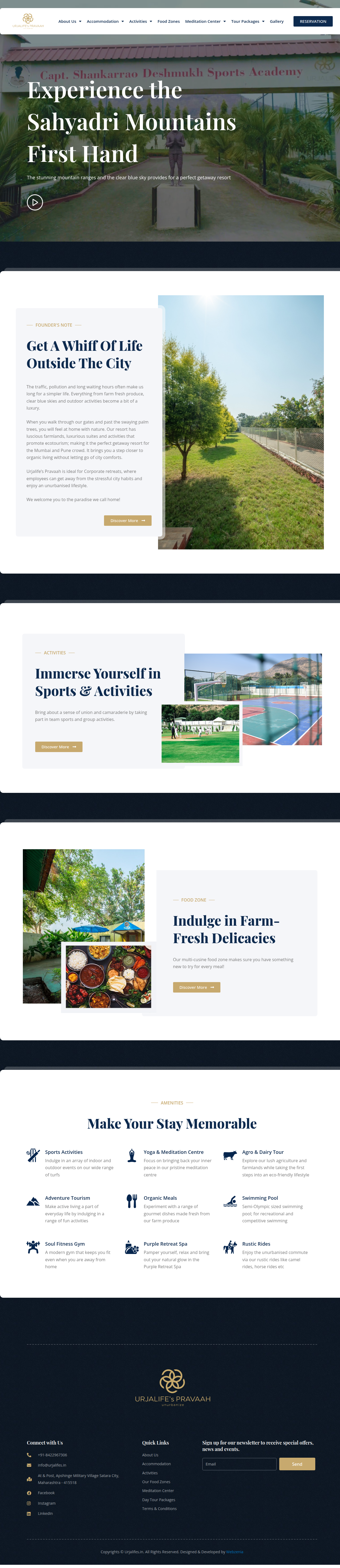
https://howardjohnsonhinton.ca

https://duhomespg.in
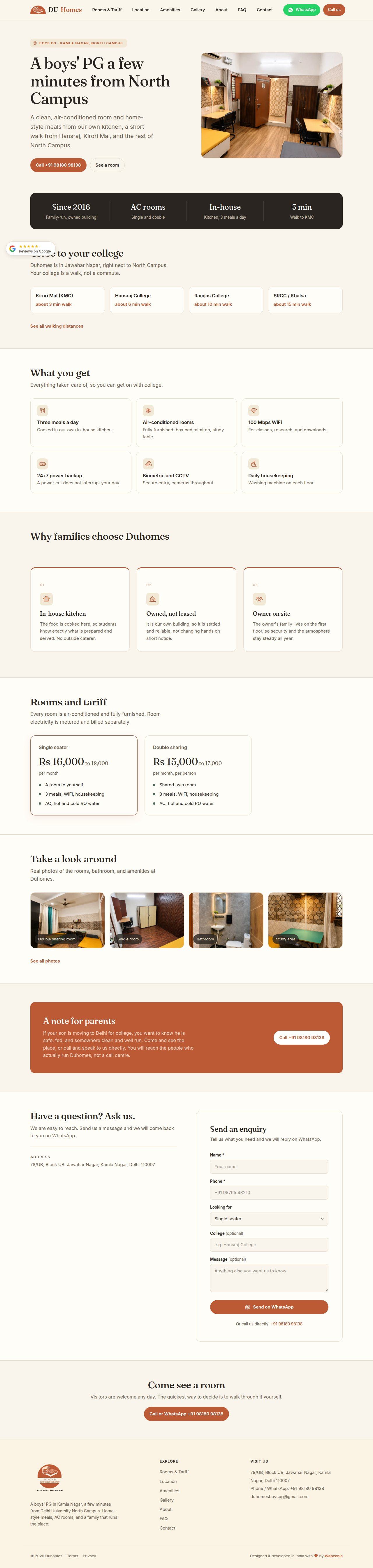
Every build here is a live site you can visit: a resort and student housing in India, a hotel in Alberta.
See all workA home decor brand triples revenue after a Webzenia rebuild.

Service catalogue · 14 disciplines
Fourteen disciplines. Each a clear output.
Most website briefs underestimate scope. The work that produces a site that performs well commercially and technically spans more disciplines than design and code.
Foundations
01Website Design→02Website Development→03UI/UX Design→
FOUNDATIONS
01 / 14Website Design
Design starts with the sitemap and the user journey, not a colour palette. Where visitors land, what they see first, and what they are asked to do next are decided before typography. The output is a documented component system (tokens, primitives, sections) that the development team builds from directly.
Starts with
Sitemap + user journeyOutput
Documented component systemHandoff
Direct to development, no reworkCommerce Platforms
Content Platforms
Performance
FOUNDATIONS
01 / 14Website Design
Design starts with the sitemap and the user journey, not a colour palette. Where visitors land, what they see first, and what they are asked to do next are decided before typography. The output is a documented component system (tokens, primitives, sections) that the development team builds from directly.
Starts with
Sitemap + user journeyOutput
Documented component systemHandoff
Direct to development, no reworkFrom the field · Website builds
What the first 12 weeks look like. Phase by phase.
The baseline build runs 12 weeks from kickoff to launch. Phases are sequential. Sitemap signed off before wireframes, wireframes approved before visual design, design approved before code. Sequential discipline saves the project from itself.
Sitemap, IA, and content audit. Before any visual work.
The first two weeks produce the sitemap, information architecture, and a content audit of the existing site. Pages with rankings, URLs with inbound links, content already indexed. All flagged for preservation in the redirect map. Sitemap is signed off by week 2 before any wireframing begins.
- OutputSitemap · IA · content audit
- Sign-off gateSitemap approved before wireframing
- For redesignsAudited redirect map drafted
Component library, design tokens, and visual sign-off before code.
Weeks 3–5 produce the design system: tokens, primitives, sections, full component library. Performance annotations sit on every component spec. If a layout decision creates a CLS issue or breaks on a mid-range Android, it gets caught here, before development starts. Visual design signed off in week 5.
- OutputDesign system + annotated component spec
- CWV gatePerformance annotations on every spec
- Sign-off gateVisual approved before development
Next.js 15 + Sanity. CWV targets in every component spec.
Weeks 6–9 are the build phase. Components built to spec on Next.js 15 with the App Router, content models structured in Sanity, and Core Web Vitals targets verified per component on real devices. Working preview URL refreshed weekly. The client sees what's built, not just what's planned.
- StackNext.js 15 · Sanity CMS · ISR
- CadenceWeekly preview URL refresh
- CWV checkPer-component on real devices
47-line pre-launch checklist. Staging-verified on real Android.
Weeks 10–12 cover staging QA, the pre-launch checklist (47 line items for a standard build), CMS training for the marketing team, and launch. CWV scores verified on real Android devices, not Lighthouse on a development machine. Nothing goes live until every checklist item is cleared.
- Pre-launch47-line checklist · 100% cleared
- Verified onReal Android devices · 4G
- IncludesCMS training · launch playbook
Reported weekly during the build with a working preview URL every team sees. Monthly reporting for the first 90 days post-launch, then a 6-month conversion review.
Reporting commitment
Weekly build updatesLive preview URL90-day post-launch monitoring6-month conversion review
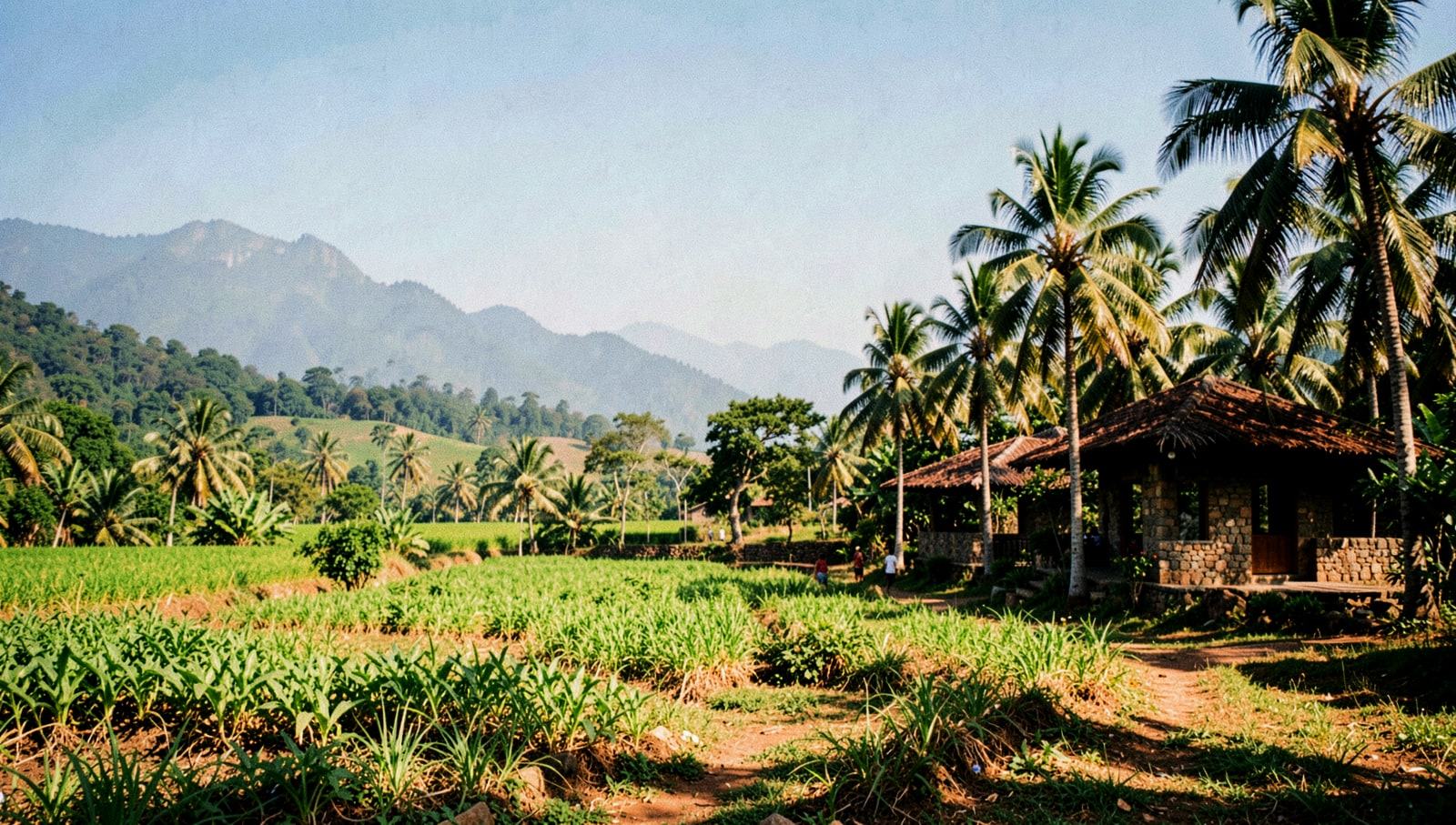
A Satara resort goes from invisible to 1,800 organic visits a month.
From the field · India
Why website development in India is different.
The Indian web runs on different defaults: device profiles, network conditions, payment infrastructure, content velocity. Most agencies treat these as edge cases; Webzenia treats them as the build standard.
- 01of 04
The Indian buyer is on a sub-Rs. 15,000 Android.
Over 70% of Indian traffic is mobile, so sub-3s LCP on real 4G is the floor, not office Wi-Fi speed. A 1-second rise in mobile load time tracks a 20% drop in conversions, which is not academic at Rs. 5 lakh per month on paid media.
Our methodOutput · Real-device CWV verified pre-launch · 4G primary test condition - 02of 04
UPI processed over 14 billion transactions last month in India.
Leaving it out of a checkout flow is a meaningful conversion barrier. Razorpay and PayU each handle UPI, net banking, cards, and EMI options differently. GST-compliant invoicing is a parallel legal requirement: invoice generation, HSN codes, GSTIN capture at checkout.
Our methodStack · UPI · Razorpay · PayU · GST invoicing baked in from spec - 03of 04
Indian SME marketing teams are small, non-technical, and managing content across multiple cities simultaneously.
Webzenia configures Sanity around the team's real publishing tasks: predefined templates for city pages, blog posts, product categories and landing pages. Publishing becomes a form-fill, not a structural decision, so a small non-technical team uses it consistently.
Our methodTested with · 4-person marketing teams · 15-minute self-serve publish - 04of 04
A rebuild that breaks the URL structure resets your rankings.
Most underperforming Indian sites need a rebuild with continuity, not a clean-slate project. Webzenia audits what is working before what gets replaced: pages with rankings, URLs with inbound links, content already indexed. Existing equity is preserved through audited redirect maps, row by row, not generated automatically.
Our methodOutput · Audited redirect map · Indexed-page preservation across rebuild
Technical stack · Build standards
Built faster. Ranks higher.
Type below. Click Publish. The page rebuilds inside seconds. The four pillars are why.
StackISR + Vercel CDN
https://webzenia.comCWV · Good
Website design & development · India
Websites built like an agency, not a vendor.
Webzenia ships with sub-2.5s mobile LCP as a build standard. 91% of live sites sit in Google's Core Web Vitals Good range.
Book a strategy callCore Web Vitals · FieldGood
LCP2.1s
INP120ms
CLS0.04
v 1.4.2
- Next.js 15
Sub-2.5s LCP
Server-rendered HTML on the first request.
JavaScript runs after paint, not before. The App Router routes static, server, and streaming per page.
- Sanity
15-min publish
Marketing publishes, no developer ticket.
Content models locked at build time. New city page in 15 minutes.
- ISR
Seconds per page
Pages built once, edge-cached.
Only the affected page regenerates when Sanity content changes. A 500-page catalogue updates in seconds.
- Core Web Vitals
91% in CWV Good
LCP 2.5s, INP 200ms, CLS 0.1 — every site, every build. Verified on real Android, not Lighthouse on a dev machine.
What makes us different
What makes Webzenia different.
01 / 04SEO + Web · One team
SEO built into the build
The SEO team and the web team are the same people. URL structure, internal linking, schema markup, and XML sitemaps are decisions made at the architecture stage. Same meeting as the sitemap. Across Webzenia's client base, sites where SEO was part of the architecture from day one have averaged 4.2x organic session growth in the 6 months after launch.
4.2xavg organic session growth · 6 months post-launch · client base
02 / 04Workflow · No handoff
Design and development in the same room
Design decisions get pressure-tested before the component is built. At most agencies, a designer produces work in Figma, hands it to a developer, and finds out later that something was not feasible. At Webzenia, every component spec carries performance annotations. If a layout breaks CLS or fails on a mid-range Android, it gets caught in the design phase, not after the build.
91%Webzenia sites in CWV Good · Field data · rolling 28 days
03 / 04Geography · Coverage · Concentration
Clients across 15 Indian cities
Webzenia has delivered projects for clients across 15 Indian cities: D2C brands, B2B companies, funded startups, and enterprise marketing teams. Concentration is heaviest in Maharashtra and the Delhi NCR, where the brief typically originates from growth-stage businesses with real performance requirements. For clients where in-person workshops matter, Webzenia has the capacity.
180+Projects shipped · 15 cities · since 2018
04 / 04Post-launch · 14-month retainer average
Accountability after launch
The 90 days after launch are monitored weekly. Core Web Vitals checks, Google Search Console oversight, SLA-backed bug resolution. If the site doesn't perform to the brief, the problem belongs to Webzenia. The 14-month average client retainer is the working measure of whether the post-launch relationship is functioning.
14moAvg client retainer · Post-launch continuation · signal of fit
Ready to brief a build with these baked in?
A 30-minute strategy call maps the spec-stage commitments to your roadmap, and we price the work the same week.
India · Specification · 04 domains
Specifying for India. What ships in v1.
The requirements for an Indian-market website are different from what a Western agency brief would capture. They show up in the architecture, not as post-launch additions.
FAQ · 11 questions
Frequently asked questions. Plainly answered.
Common questions about building a website in India and how we work. Specifics on cost, timeline, headless CMS, ranking, and what happens after launch.
Pricing transparency, timeline transparency, post-launch transparency.
The questions clients ask before signing are the same questions Webzenia answers in writing during the strategy call. No surprises.
Accepting new clients · Q3 · 2026
Ready to build a website that performs?
The strategy call starts with your current site or brief. By the end of it you will have a baseline technical assessment of what is working and what is not, and a clear view of what the build would involve.
What happens next
- 1Strategy call45 minutes. We review your current site or brief and identify the constraints that shape the build.
- 2Written scopeWithin 5 working days. Fixed price for the first phase. Named project lead.
- 3KickoffWithin 2 weeks of scope approval. First sitemap draft inside 14 days.
Tell us what you need.